Understanding Local Search Engine Optimization
Local search engine optimization (local SEO) is like (national) SEO as it's an action that impacts how visible a site or a website's page in the search engine's organic results, however with a crucial difference: it focuses on helping businesses show up in local-based search results. If customers are searching for “restaurants near me,” “Chicago marketing agencies,” or “plumber in downtown,” they're conducting local searches that local SEO is designed to make.
Local SEO, however, differs in the sense that it is designed to optimize a business's online presence to ensure that its websites will be indexed by search engines when people make local searches to find its items or offerings. This approach is important for businesses that operate in certain geographical areas or have physical locations that customers can visit.
The Evolution and Importance of Local SEO
The genesis in local SEO goes to 2003-2005, when search engines attempted to provide people with results within their area as well as additional information such as opening hours for a business and listings on maps, and so on. Since then, local search has seen a dramatic change, especially due to the growth of mobile devices as well as “near me” searches.
For small-sized companies locally, local seo vs local seo - maskarad.bomba-piter.ru - represents a significant opportunity. Contrary to large companies that compete on national keywords, local businesses can be the dominant player in their market by using efficient Local SEO techniques. Companies like NfiniteLimits out of Chicago exemplify the ways businesses can benefit from local SEO strategies to build a strong regional presence and attract customers within their immediate service area.
How Local Search Results work
If users conduct local searches, search engines show two primary types of results:
Local Organic Results
The local organic results include web pages that relate to the search query, and with local importance. These include directories like Yelp, Yellow Pages, Facebook and more. These results are displayed in traditional results for search, but are geographically relevant to the location of the user.
The Local Pack
The Local Pack displays businesses that have registered with Google and have taken over their 'Google My Business' (GMB) page. The prominent feature typically lists three local businesses and their ratings along with their addresses, telephone numbers, address and hours of operation This makes it the ideal real space to increase local visibility.
The Google Local Ranking Criteria
Relevance, proximity distance, and relevance are the three key elements Google is claiming to employ in its algorithms to display results that are closest to a user's query.
Prominence shows how well-known and reputable an organization is online as well as offline. Google examines aspects such as reviews, links, articles, as well as general recognition in the community.
Relevance refers to the degree to which the business's listing is in line with users' needs. looking for. This involves proper categorization and accurate information about the business and pertinent content.
Distance is a measure of how close the business is to the searcher's location or the location mentioned in their search query.
Essential Elements of Local SEO
Google Business Profile (Formerly Google My Business)
Google Business Profile (GBP) formerly Google My Business (GMB) is a no-cost tool that lets businesses set up and manage its Google Business listing. Listings must reflect an actual physical address that customers can visit.
Your completeness and accuracy of the Google Business Profile is fundamental to local SEO success. Key elements include:
Complete business details (name Address, address, phone number)
The selection of business categories
Schedules for holidays and business hours
Photos of your company in high-quality, products, and even your services
Updates and regular posts
Reaction to Customer Reviews and inquiries
NAP Consistency (Name Address, Telephone Number)
The main factors that determine the chances of a local company being found in local searches include proper categorization in directories of business, a business's name, address, and the phone number (NAP) being crawlable on the website, and citations (mentions that mention the business's location on other relevant websites like chamber of commerce websites).
Congruity across all platforms is crucial. Any contradictions in your business's name, address, or phone number can confuse search engines and affect your local rankings.
Local Citations and Directory Listings
Citations are mentions of your business on other websites, such as business directories, review websites, as well as local publications. The quality of citations such as having a few duplicates, consistency and also a fair number of citations was important for businesses to appear its name in Local Packs.
Important citation sources include:
Google Business Profile
Yelp
Facebook Business Page
Apple Maps Connect
Directories that are specific to the industry
Chamber of commerce local sites
Better Business Bureau
Reviews and Ratings
Reviews on GMB are also found to strongly correlate with high ranking. The number of reviews and overall star rating correlates with higher rankings in the Google map results.
Reviews serve multiple functions in local SEO:
They impact rankings in local results for local searches.
They provide social proof to prospective customers.
They offer new, user-generated content
They assist businesses in understanding customer feedback
SEO of Websites for Local Search
Your website should be designed to optimize your site for local search by using a variety of strategies:
Local Keywords Utilize location-specific keywords naturally into your content. For instance, instead of only “marketing services,” use “marketing services in Chicago” or “Chicago digital marketing.”
Page for Locations If you have multiple locations, you should create separate pages for each location with unique, local-specific content.
Schema Markup: Schema structured data is considered to be a ranking factor. The addition of the “LocalBusiness markup allows you to display relevant information about your business on Google. This structured data will help search engines better understand your business information more effectively.
Mobile Optimization A large portion of all local searches being conducted via mobile devices, a mobile-friendly website is essential to local SEO success.
Innovative Local SEO Strategies
Social Media Marketing and Content for Audiences in Local Areas
Create content that is resonant with your local community:
Participation and coverage of local events
Participation in the community and sponsorship
Local industry insight and trends
Collaboration with other local businesses
Link-Building for Local SEO
Links to backlinks show the highest correlation with local rankings. Concentrate on earning links from:
Local newspapers and magazines
Chamber of commerce websites
Local business partners
Community-based organisations
Bloggers, influencers and local bloggers
Managing Online Reputation
Monitor and manage your online reputation across all platforms:
Respond quickly to any reviews that you receive, whether positive or negative
Resolve customer issues professionally
Encourage customers who are happy to leave reviews
Monitor mentions of your business all over the internet
Algorithm Improvements as well as Local SEO
Local SEO is subject to algorithm update which can have a significant impact on rankings. The most significant updates are:
The Possum Update (2016)
An important change to Google's local algorithm was released on the 1st of September. Companies that are located outside of city physical limits showed a significant rise in their ranking within Google's Local Pack. Google Local Pack.
The Hawk Update (2017)
This update refined how Google is able to filter similar businesses in close proximity. This affects how multiple businesses in the same space or building show up in search results.
Common Local SEO Problems
Fake Reviews
Joy Hawkins, a Google Top Contributor and local SEO expert, points out the problems due to fake reviews. She explains that there isn't an appropriate process for businesses to report fraudulent reviews on rival sites. This remains an ongoing challenge for legitimate businesses who compete against those who manipulate reviews.
Citation Inconsistencies
Maintaining consistency of business information across hundreds of directories online isn't easy, but it's vital to local SEO success.
Rivalry from National Brands
Smaller local businesses need to be able to compete with national chains that have greater marketing budgets as well as an established online presence.
Best Tips for Small Businesses
Start with the Fundamentals
Claim and optimize and optimize Google Business Profile
Assist in ensuring NAP consistency across all platforms
Add citations to local directories
Encourage and manage customer reviews
Focus on Quality and Relevance
Update your company information that is current and accurate.
Create relevant content that is relevant to your local audience.
Engage your community both on and offline
Maintain high standards for customer service
Monitor and Record
Track your local search rankings
Monitor review platforms regularly
Study Google Business Profile insights
Determine the amount of traffic to websites from local searches
How Local SEO is Going to Change the Future of Local SEO
As search engines continue to evolve various trends are influencing what the next phase of SEO for local businesses.
SEO for Voice In the age in voice-based assistants, optimizing search results for conversational query-based queries is becoming more crucial.
Visual Search: Google Lens and similar technologies are making visual search more popular in local exploration.
Artificial Intelligence: AI is improving search engines' ability to comprehend user intentions and deliver better localized results.
Mobile-First Indexing Google's mobile first strategy emphasizes the importance of mobile optimization for local businesses.
Conclusion
Local SEO is a key marketing strategy for small businesses looking to attract customers in their local area. Through understanding how local search is working and implementing extensive optimization strategies, companies can substantially increase their visibility local search results.
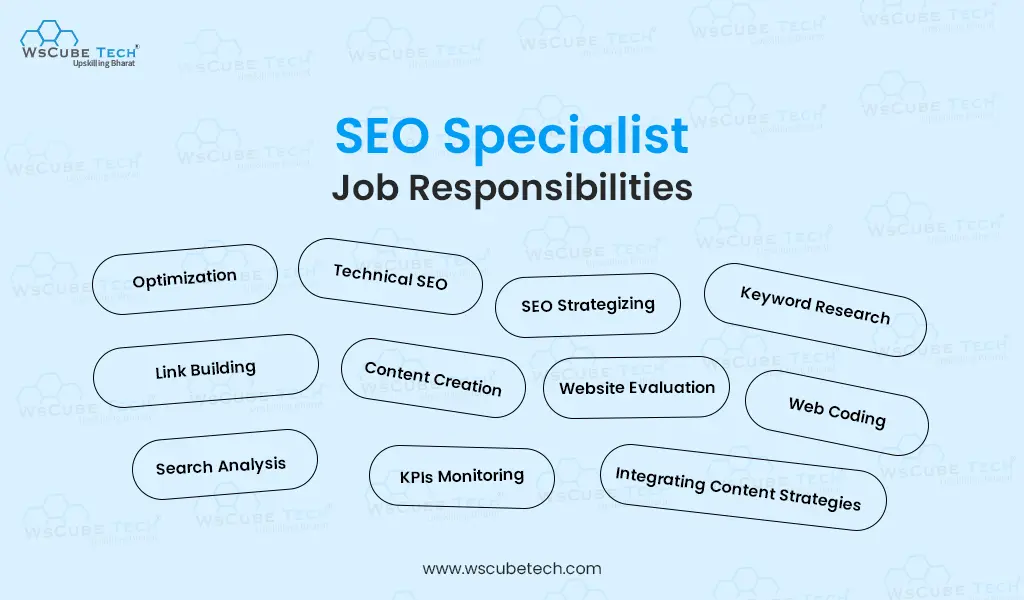
(Image: https://www.wscubetech.com/blog/wp-content/uploads/2024/05/seo-specialist-job-description.webp)
The secret to a successful local SEO lies in the consistency in accuracy, consistency, and genuine interaction with the local population. If you're a restaurant located in downtown Chicago, a service business such as NfiniteLimits, or a retail shop in a tiny town local SEO will help you connect with those who are seeking your products and services.
Local success in SEO requires continual effort and adapting to algorithm updates, but the results are increased visibility, more qualified leads, and better relationships with your local client base. By focusing on the essentials while staying current with best practices, small-sized businesses can be competitive in their local areas and gain sustainable growth by enhancing SEO visibility.