(Image: https://burst.shopifycdn.com/photos/gold-bars-on-an-american-flag.jpg?width=746&format=pjpg&exif=0&iptc=0)Introduction
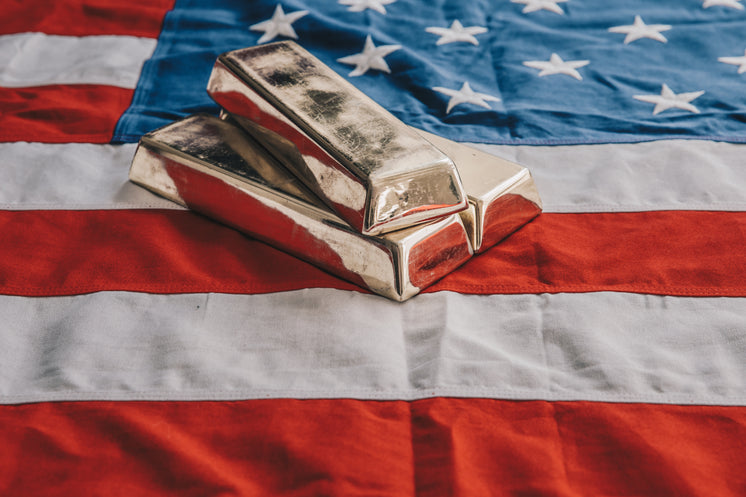
Investing in precious metals, notably gold and silver, has grow to be increasingly fashionable as a technique of diversifying portfolios and protecting wealth. This guide aims to offer a complete understanding of buying gold and silver, breaking down the process into simple-to-understand steps for freshmen.
Understanding Gold and Silver as Investments
Gold and silver have been used as types of forex and stores of value for thousands of years. Not like paper currency, valuable metals are tangible belongings that may provide a hedge towards inflation and economic uncertainty. When the value of the greenback decreases, gold and silver typically retain or improve their worth, making them engaging options for buyers.
Why Put money into Precious Metals?
Inflation Hedge: Precious metals usually maintain their worth throughout occasions of inflation. Financial Uncertainty: Investors flock to gold and silver during market downturns. Portfolio Diversification: Including treasured metals can scale back overall portfolio danger. Tangible Asset: Not like stocks or bonds, gold and silver could be physically held.
Kinds of Gold and Silver Investments
Before diving into the purchasing course of, it is important to grasp the completely different types of gold and silver out there for funding.
1. Bullion Coins and Bars
Gold Bullion Coins: Coins such as the American Gold Eagle and Canadian Gold Maple Leaf are broadly acknowledged and traded. They typically include one ounce of gold and have a face value, though their market value is usually much higher. Silver Bullion Coins: Similar to gold coins, silver bullion coins just like the American Silver Eagle are widespread for their purity and liquidity. Bars: Gold and silver bars come in numerous weights and are sometimes more price-effective than coins. However, they is probably not as simply recognizable.
2. Numismatic Coins
Numismatic coins are collectible coins which will carry a premium over their metal content material because of rarity, demand, and historical significance. Investing in numismatic coins requires more information and is probably not appropriate for newcomers.
3. ETFs and Mutual Funds
Exchange-Traded Funds (ETFs) and mutual funds that concentrate on valuable metals permit buyers to gain publicity without physically holding the metals. These funds typically track the value of gold or silver and might be bought and offered like stocks.
How to Buy Gold and Silver
Step 1: Research and Training
Before making any purchases, take the time to coach yourself about the market. Perceive the components that influence gold and silver costs, including:
Financial indicators Central financial institution insurance policies Geopolitical events Supply and demand dynamics
Step 2: Determine Your Funding Targets
Resolve why you wish to invest in gold and silver. Are you in search of a protracted-time period investment, a hedge against inflation, or a brief-time period trading opportunity? Your objectives will affect the type of metals and kinds you choose.
Step 3: Choose a good Dealer
Finding a reliable vendor is crucial for a clean buying experience. Look for dealers with:
Constructive critiques and scores Membership in business organizations (e.g., the Professional Numismatists Guild) Transparent pricing and policies
Step 4: Perceive Pricing
Valuable steel prices fluctuate daily based mostly on market conditions. Familiarize yourself with terms equivalent to:
Spot Worth: The current market price for speedy delivery. Premium: The extra value over the spot price, which might vary primarily based on the type of the steel and dealer markup.
Step 5: Make Your Purchase
Once you've got chosen a supplier and determined what you want to purchase, it is time to make your purchase. You'll be able to buy gold and silver via:
Native Coin Outlets: Provide quick possession but may have greater premiums. Online Dealers: Often present competitive pricing and a broader selection. Auctions: Could be a source for rare coins but require more data and warning.
Step 6: Secure Storage
After purchasing, consider how you'll store your gold and silver. Options embody:
Residence Storage: Convenient but poses a danger of theft. Put money into a protected in the event you choose this feature. Financial institution Safe Deposit Box: Provides safety but incurs rental charges. Third-Social gathering Storage: Some firms offer secure storage solutions for a price, often with insurance.
Selling Gold and Silver
Understanding easy methods to promote your precious metals is as important as shopping for them. Factors to consider include:
Market Situations: Monitor costs to sell when they're favorable. Supplier Repute: Sell to reputable sellers who supply fair costs. Documentation: Keep records of your purchases to supply proof of authenticity and worth.
Tax Implications
Bear in mind of the tax implications of buying and promoting gold and silver. In many jurisdictions, income from the sale of precious metals are topic to capital positive aspects tax. Consult a tax professional to make sure compliance with native laws.
Conclusion
Investing in gold and silver can be a rewarding enterprise, providing both safety and potential for growth. By understanding the forms of investments available, conducting thorough research, and following the steps outlined in this guide, freshmen can confidently navigate the world of treasured metals. Remember, like all investment, Investing in gold and silver buying gold and silver carries dangers, so it’s essential to stay knowledgeable and make selections that align with your monetary goals.